

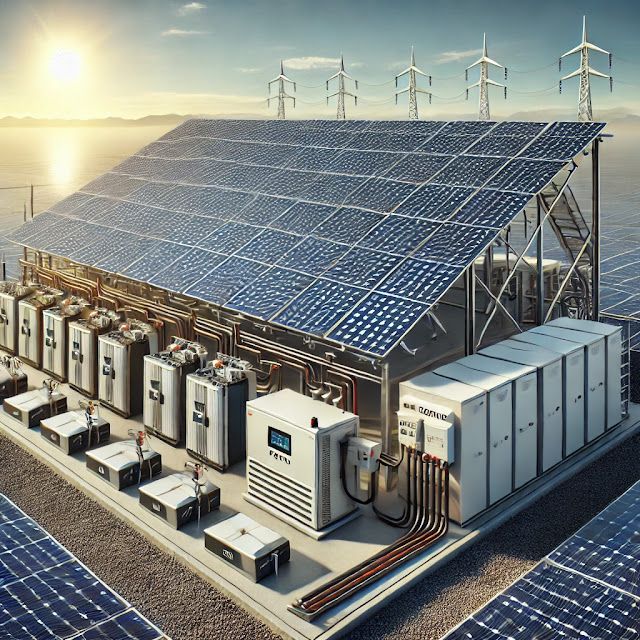
In the CAPEX (Capital Expenditure) model, the end-user invests upfront to own the solar asset. This model offers long-term savings, energy independence, and full control over operations and maintenance. Ideal for businesses with available capital and a long-term sustainability vision, CAPEX solar systems typically pay back within 4–6 years and deliver 25+ years of clean energy. What are some examples of CAPEX? Buying a Car: You pay upfront, own the vehicle, and handle maintenance—but avoid monthly rental fees. Setting Up a Factory: A business invests in machinery and infrastructure to produce goods in-house, reducing long-term operational costs. Installing a Private Borewell: A housing society pays for drilling and setup, gaining water independence and avoiding municipal charges.
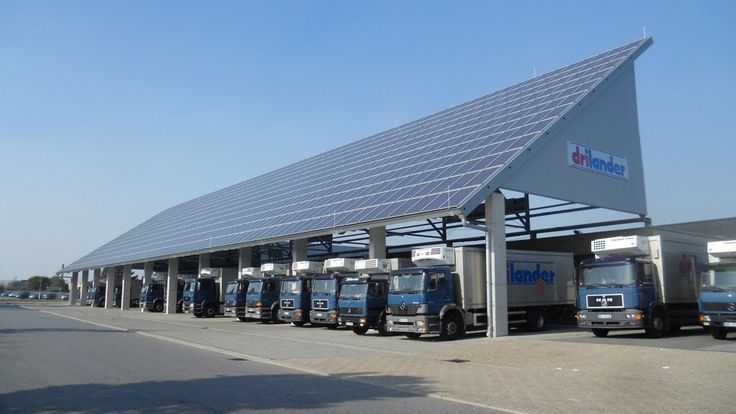
Opex (operational expenditure) is the money a company or organization spends on an ongoing, day-to-day basis to run its business. These expenses can be one-time or recurring. Depending on the industry, these expenses can range from the ink used to print documents to the wages employees are paid. Businesses might also pay for cloud computing services and car leasing out of Opex. Opex includes selling, general and administrative expense, which are costs incurred through the main business activities, or overhead. Opex excludes the cost of goods sold (COGS), which are costs directly attributable to the production and sales of specific goods and services, including raw materials and components. What are some examples of OPEX? Opex focuses on the following day-to-day business expenses: Car Lease You don’t buy the car—you lease it. You use it for a fixed period, pay monthly, and return it at the end. Equipment Lease A company leases machinery instead of buying it. It gets the utility without the capital burden. Renting a House You live in the house, pay monthly rent, but don’t own it. Maintenance is often handled by the owner.

At OG Plaanet, we develop and deploy utility-scale solar farms that deliver clean, reliable energy at grid parity. From land acquisition to commissioning, we manage every step with precision, transparency, and ESG alignment.

MW-scale deployments across high-irradiation zones Advanced tracking systems and high-efficiency modules Seamless integration with grid and storage infrastructure Long-term PPAs with DISCOMs and corporate off-takers